01
Physical activity, consistently
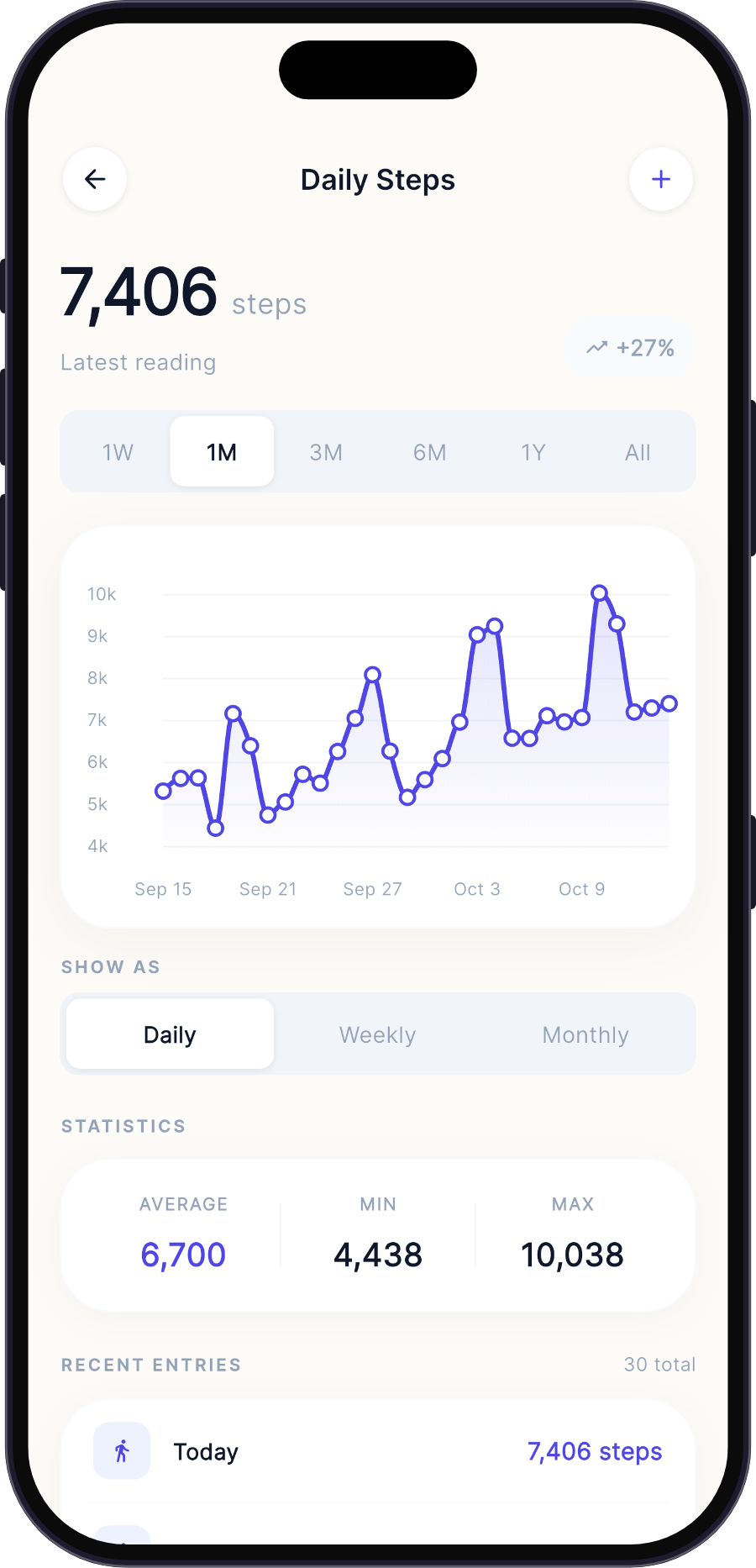
Adults should aim for 150 to 300 minutes of moderate-intensity aerobic activity per week, plus muscle-strengthening on two or more days. Even partial adherence is associated with substantial mortality benefit.
Prevention
A small number of everyday habits — moving, eating well, sleeping enough, managing stress, not smoking, and drinking less — matter a lot over the years. Ingrid helps you keep them going.
Free to join. GDPR-compliant. Data stored in the EU.
Ingrid
Start with the basics that matter over decades: regular movement, sleep, and what you eat. The WHO recommends at least 150 minutes of moderate activity per week — let us build toward that at your pace.
First action
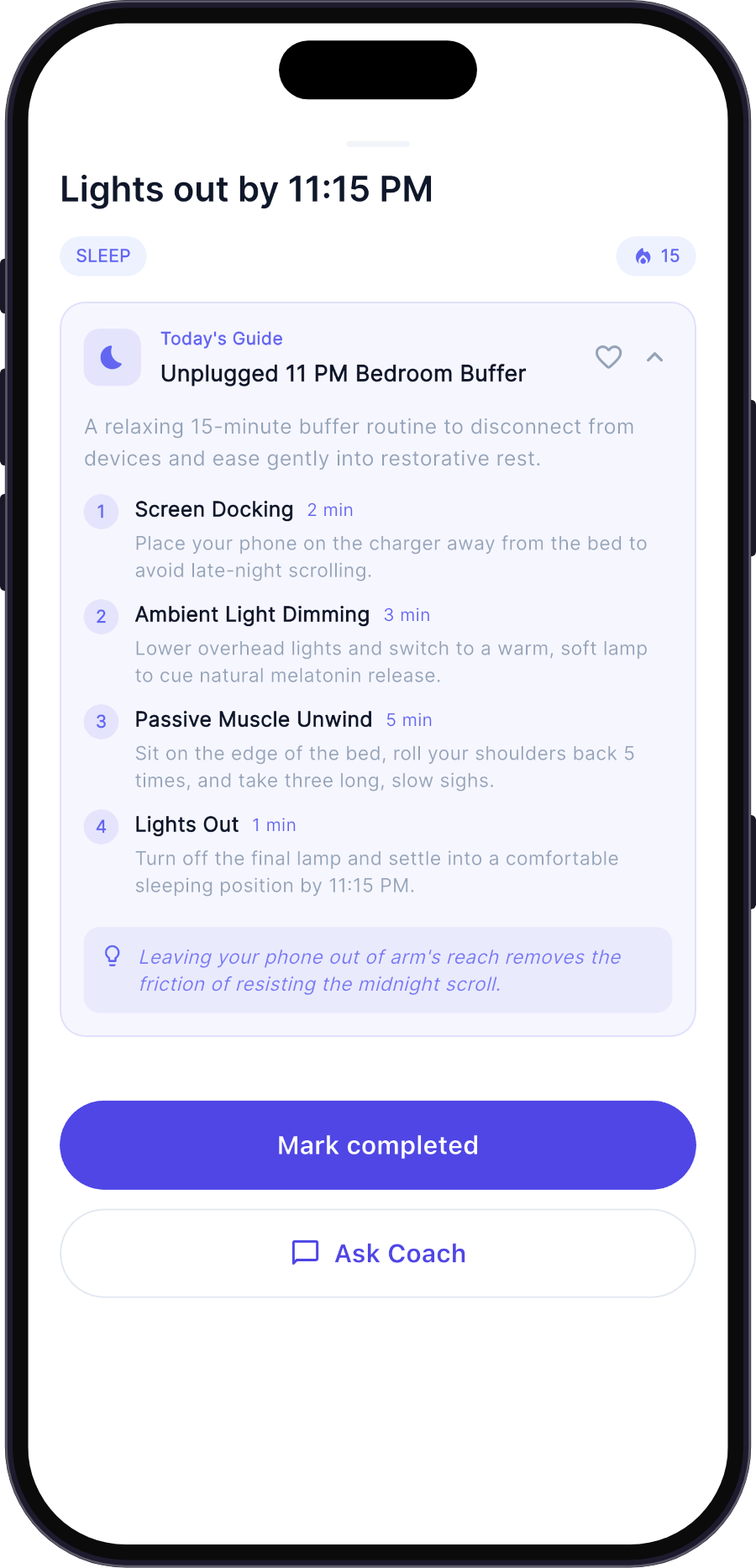
Two brisk walks this week
Ingrid adds two 20-minute walks to your plan as a first step toward the WHO activity recommendation.
Illustrative example only. Ingrid helps you build long-term habits; it does not assess your health or replace check-ups with your doctor.
Where the gains come from
Decades of evidence point to a small set of factors with outsized impact on healthy life expectancy.
Adults should aim for 150 to 300 minutes of moderate-intensity aerobic activity per week, plus muscle-strengthening on two or more days. Even partial adherence is associated with substantial mortality benefit.
Age-appropriate screening — blood pressure, lipids, glucose, colorectal cancer, mammography — catches conditions when they are still cheap to treat. Most missed screening is a calendar problem, not a clinical one.
Blood pressure, LDL cholesterol, fasting glucose, and waist circumference together capture most modifiable cardiometabolic risk. Small sustained changes here add years of healthy life.
Chronically short or poor sleep and unmanaged stress are independent risk factors for cardiovascular disease and metabolic decline. Their effects compound across years.
Quitting smoking, moderate alcohol intake, and maintaining a healthy weight remain among the most evidence-supported levers for healthy life expectancy.
“Make healthy behaviors your default.”
Healthy eating, exercise and sleep are foundational, like having air to breathe. There’s proven data that doing the basics can prolong your life, so treat them like nonnegotiables.
— Dr. Latha Palaniappan Associate dean for research at Stanford University School of Medicine
Quoted from The New York Times. Dr. Latha Palaniappan is not affiliated with Ingrid, and the quote does not imply an endorsement of Ingrid.
How it works
Three steps to turn prevention into something you can actually maintain.
Ingrid starts with your goals, your routine, and the habits you already have.
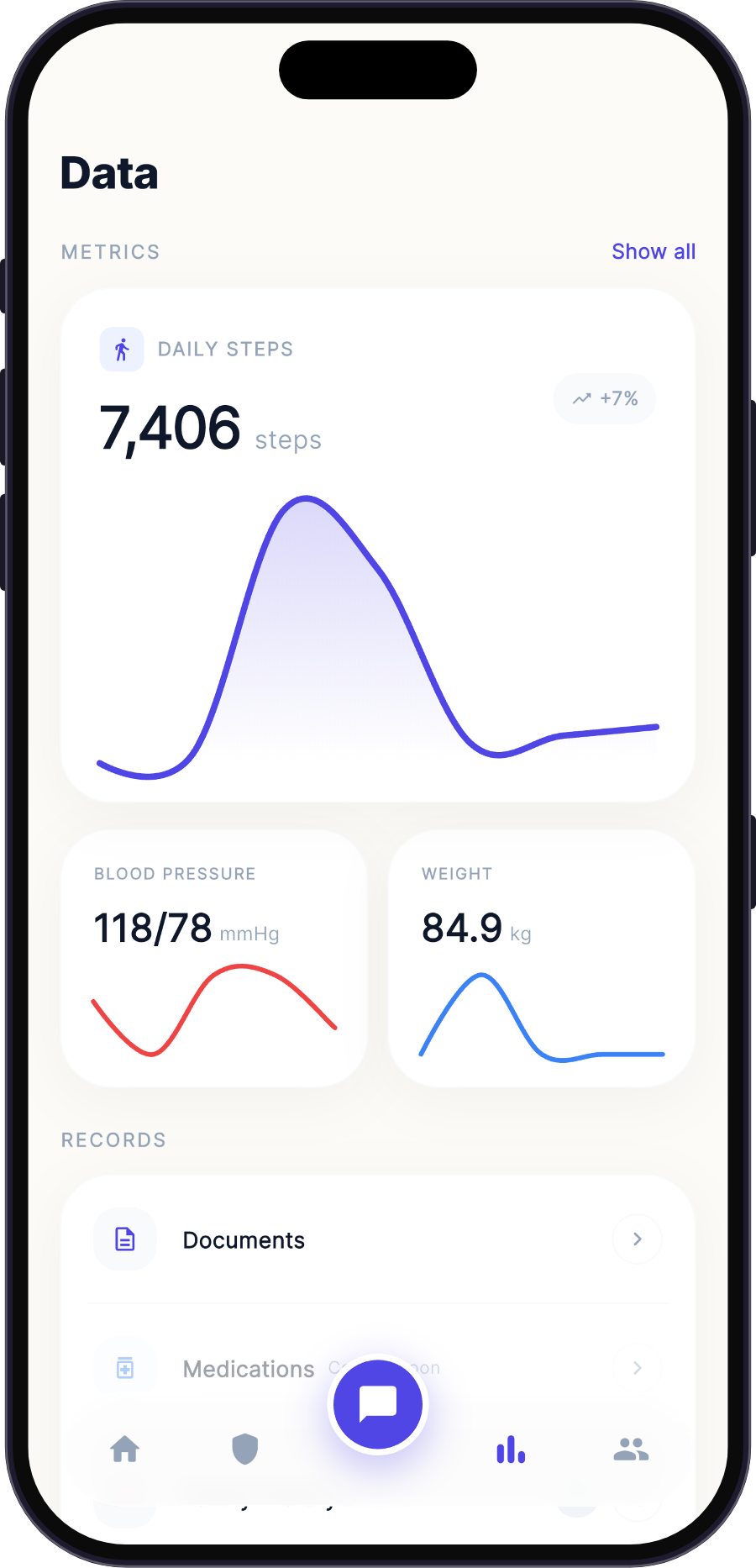
The plan focuses on two or three habits you can keep up — movement, food, sleep, stress, smoking, or alcohol.
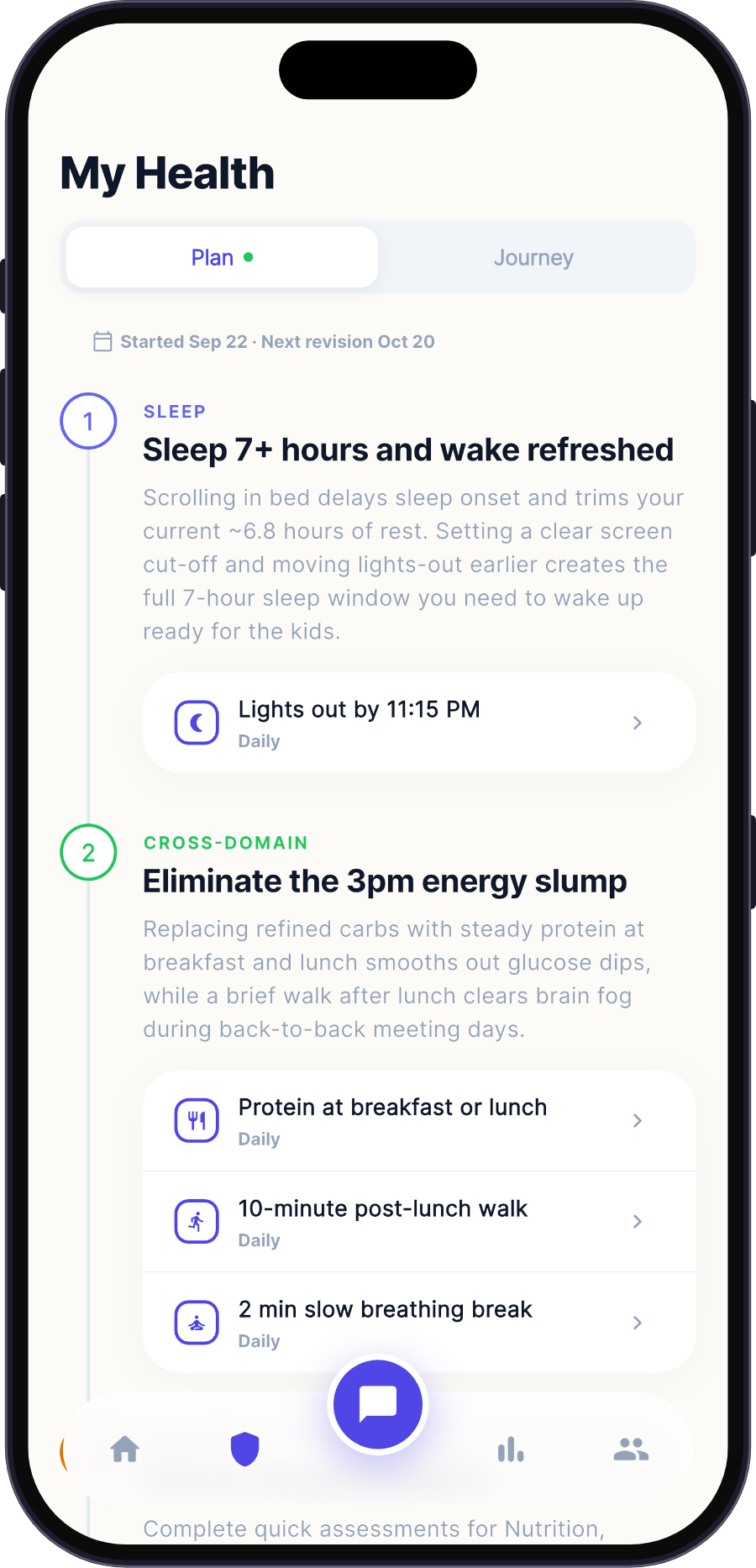
Ingrid keeps your habits going over the long term with reminders, nudges, and regular plan reviews.
Free to join the waitlist. We will contact you when the next beta slots open.
We use your email only to contact you about the Ingrid beta. You can ask us to delete it at any time. Privacy policy
Why Ingrid
Yearly check-ups are snapshots. Ingrid helps you keep healthy habits going between them.
When to see a doctor
Any positive screening result that requires follow-up, a strong family history of early cardiovascular disease or cancer, or new symptoms such as chest pain, breathlessness, or unexplained bleeding warrants clinical care.
FAQ
Most apps look at one signal: steps, sleep, or weight. Ingrid keeps wearable data, lab reports, documents, family history, and your self-reported habits together — and builds your plan from your goals, preferences, and everyday routine.
The plan is not written once. At the end of each plan cycle, Ingrid looks at which habits stuck and which did not, and suggests changes you can accept or decline. The plan a month from now will look different from today’s — because it should.
Ingrid is not a replacement for a doctor, and does not pretend to be. It does not diagnose, interpret results, or recommend tests or treatments. For medical questions, Ingrid helps you prepare for your appointment — and if you choose, you can share your data with your own doctor or coach.
No. Healthy habits are worth building at any age — starting in your 30s or 40s simply gives them more time.
No. Ingrid gives no advice on supplements or medicines — that is a question for your doctor or pharmacist. The plan focuses on everyday habits.
Ingrid still works. Your plan is built from your goals and everyday habits, and you can add family history whenever you like.
No. Ingrid supports your care, it does not replace it. It helps you bring your recorded information and your questions to your appointments.
A coach for your everyday habits. Your own doctor for medical questions.
Ready when you are
Start with the goal you care about. Ingrid turns it into small habits that fit your life, then adapts the plan with you over time.
Join the waitlist for early access.
We use your email only to contact you about the Ingrid beta. You can ask us to delete it at any time. Privacy policy