01
No recovery rhythm
The body needs short, repeated moments of downshift across the day. Without them, the sympathetic nervous system stays elevated and stress accumulates faster than it can clear.
Source·WHO Stress Q&A (2025)
Stress load
Everyday stress is normal. What helps is making room for recovery — short breaks, enough sleep, and movement. Ingrid helps you build those habits into real days.
Free to join. GDPR-compliant. Data stored in the EU.
Ingrid
Stress often builds up through small things in a busy week. Short nights, creeping caffeine, and days without a single break are common habits worth experimenting with.
First action
Cut caffeine after lunch this week
A simple first experiment — see how your evenings and your sleep feel.
Illustrative example only. Ingrid helps you build recovery habits. It is not a substitute for mental-health or crisis care.
Possible reasons
A few patterns explain most cases of chronically high baseline stress.
The body needs short, repeated moments of downshift across the day. Without them, the sympathetic nervous system stays elevated and stress accumulates faster than it can clear.
Source·WHO Stress Q&A (2025)
Short sleep, late caffeine, skipped meals, and alcohol raise your physiological stress baseline before any meeting starts. Many stressful days begin with a stressed body.
Source·CDC About Sleep (2024)
Continuous notifications and context switching prevent the nervous system from returning to baseline. The WHO highlights chronic work stress as a public-health concern.
Persistent stress changes how the body responds to stress over time, and that can show up in sleep, energy, and reactivity before it is recognized as a mental-health problem.
Source·WHO Stress Q&A (2025)
Anxiety, depression, and PTSD present with persistent stress symptoms but have specific evidence-based treatments. Recognising them changes the right path forward.
“Wellness isn’t the same as not being sick.”
Our well-being is kaleidoscopic, including not just physical and emotional health, but also social, financial, intellectual and other dimensions. You need to balance all of them to thrive and flourish.
— Dr. Jessi Gold Psychiatrist and chief wellness officer at University of Tennessee System
Quoted from The New York Times. Dr. Jessi Gold is not affiliated with Ingrid, and the quote does not imply an endorsement of Ingrid.
How it works
A simple loop from visibility to recovery to longer-term resilience.
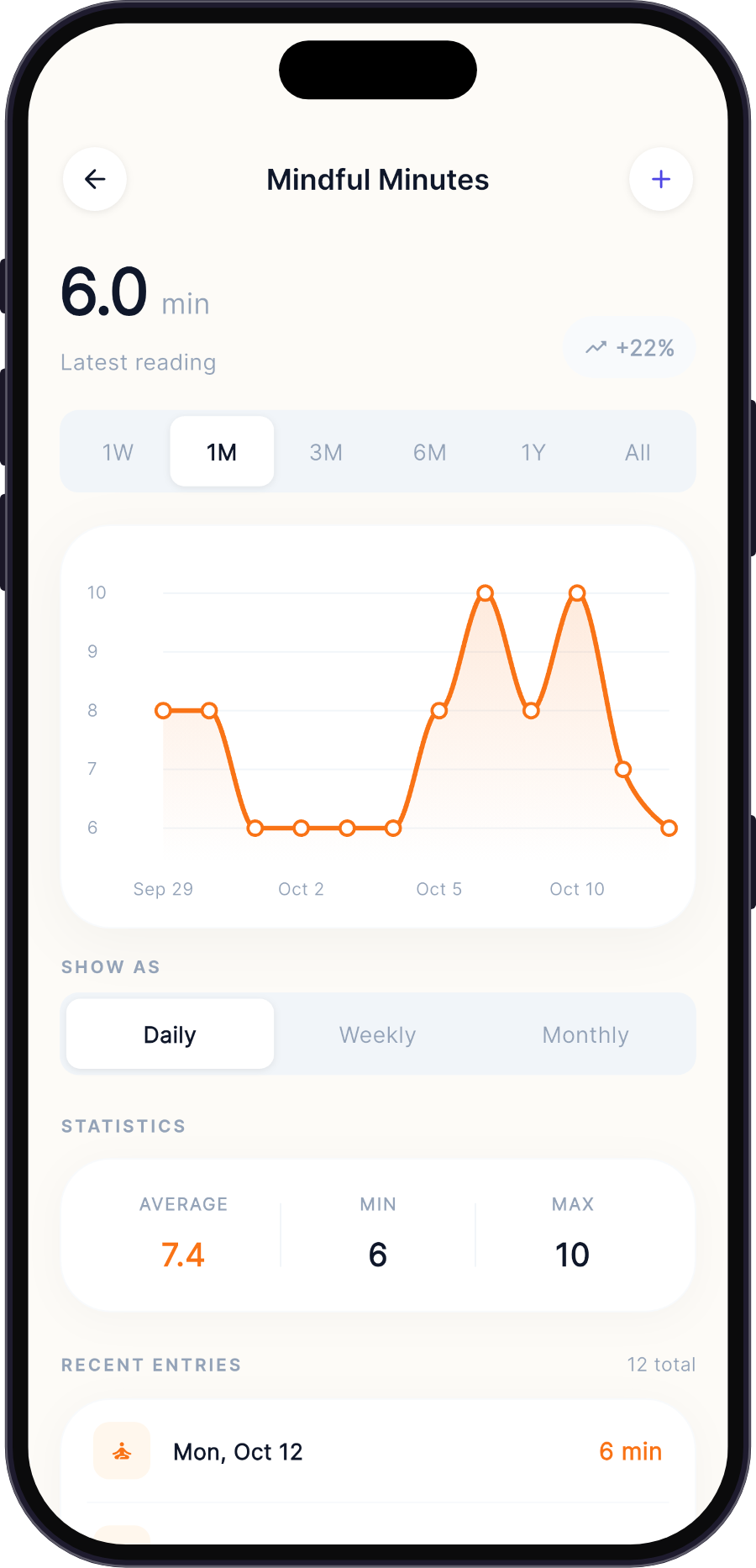
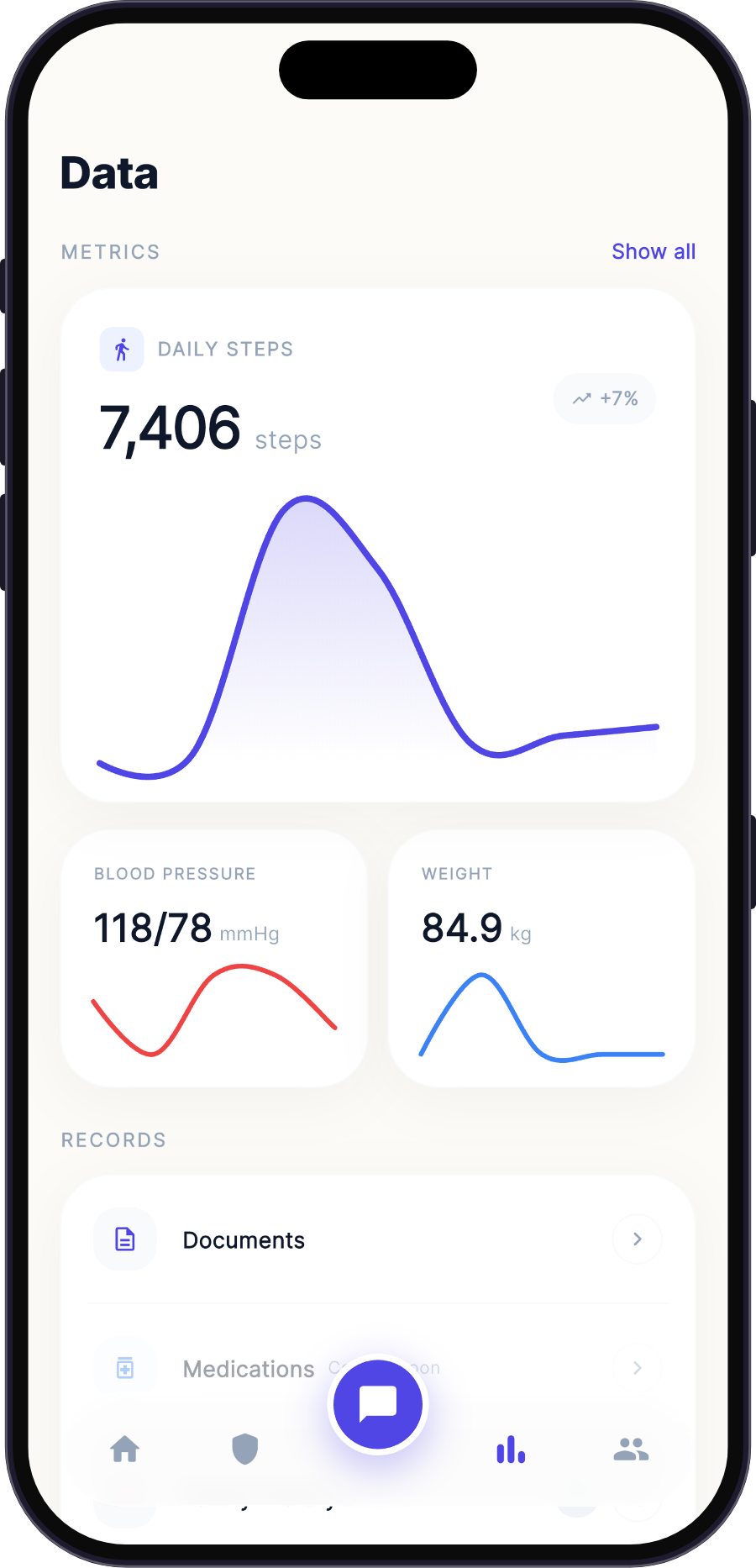
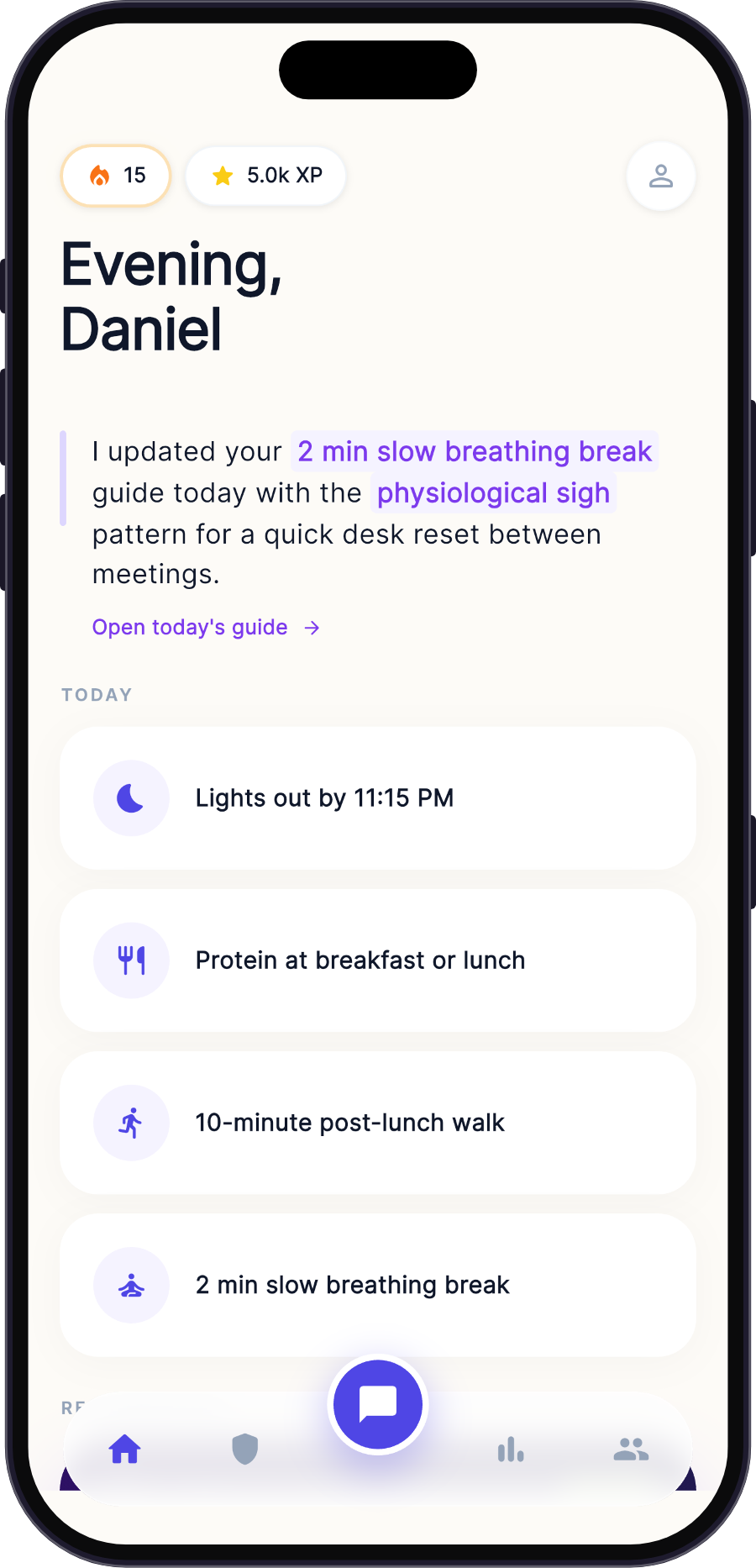
Ingrid shows your routine, sleep, and short mood check-ins side by side, as you recorded them.
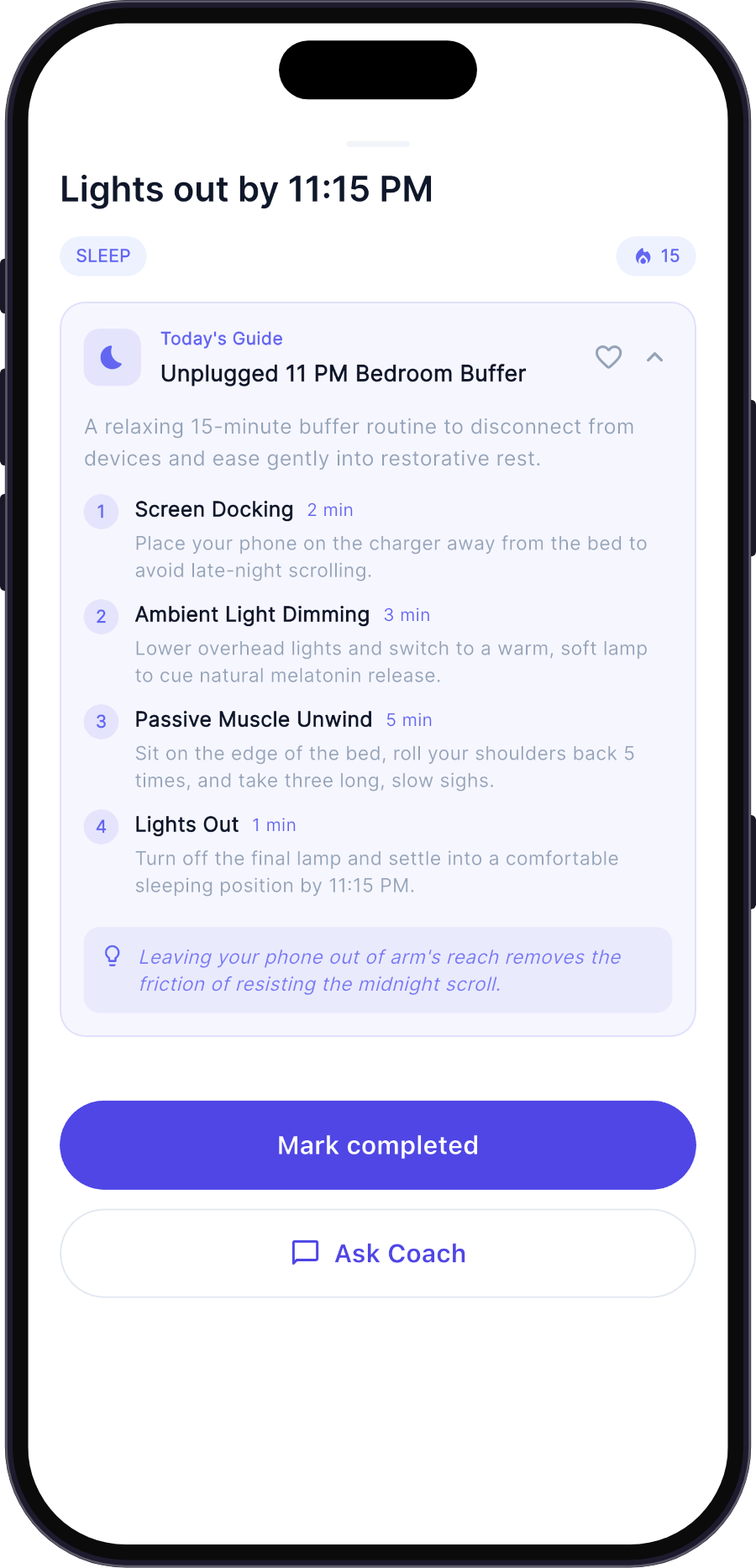
Instead of adding a whole new routine, Ingrid suggests small recovery moments where they fit naturally.
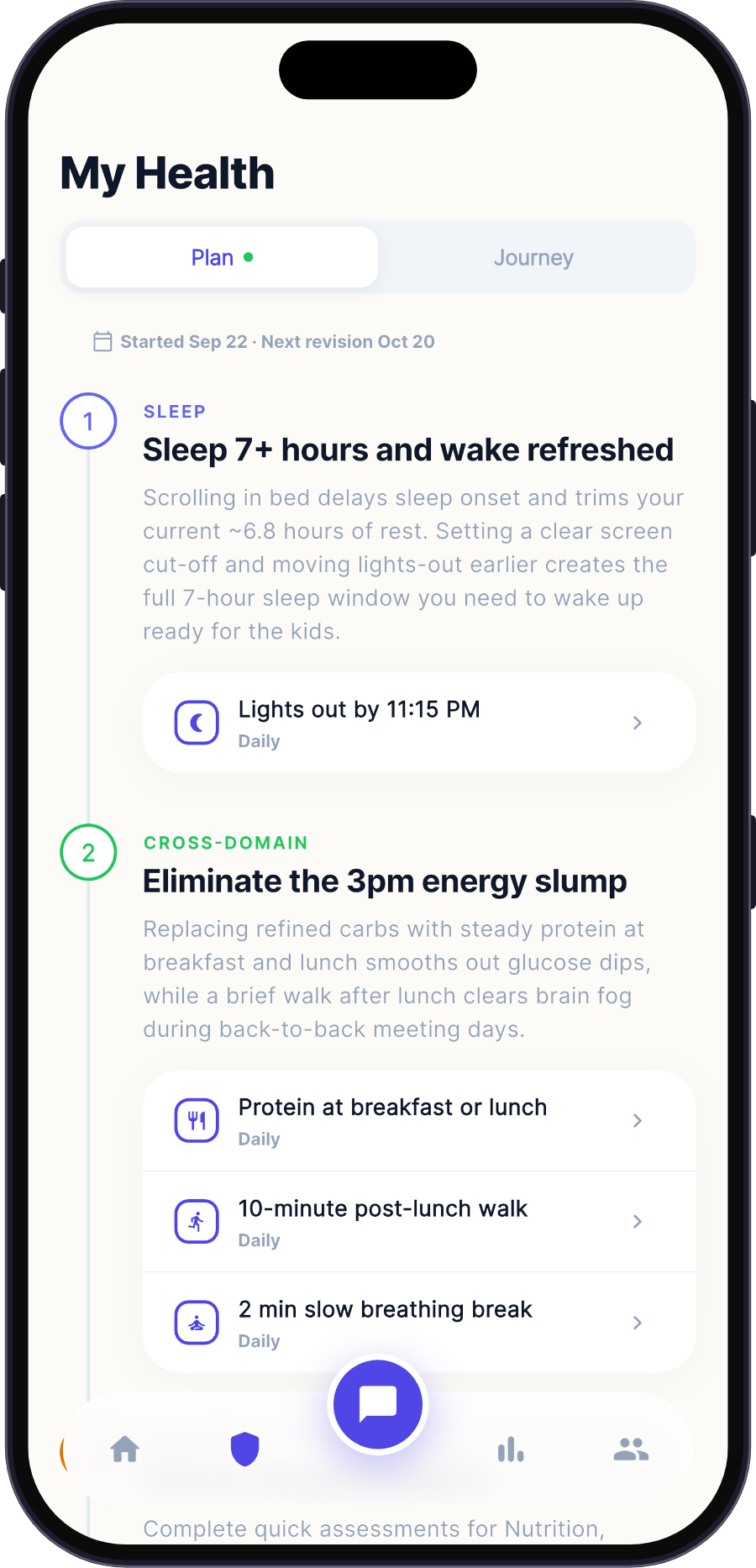
Over time, you keep what helps and drop the rest.
Free to join the waitlist. We will contact you when the next beta slots open.
We use your email only to contact you about the Ingrid beta. You can ask us to delete it at any time. Privacy policy
Why Ingrid
Meditation alone cannot offset an overloaded week. Ingrid starts with the system that is keeping your baseline high.
When to see a doctor
Persistent low mood or anxiety lasting more than two weeks, panic attacks, or any thoughts of self-harm warrant clinical care. Ingrid is not crisis support. For urgent help, please contact a crisis line in your country.
FAQ
Most apps look at one signal: steps, sleep, or weight. Ingrid keeps wearable data, lab reports, documents, family history, and your self-reported habits together — and builds your plan from your goals, preferences, and everyday routine.
The plan is not written once. At the end of each plan cycle, Ingrid looks at which habits stuck and which did not, and suggests changes you can accept or decline. The plan a month from now will look different from today’s — because it should.
Ingrid is not a replacement for a doctor, and does not pretend to be. It does not diagnose, interpret results, or recommend tests or treatments. For medical questions, Ingrid helps you prepare for your appointment — and if you choose, you can share your data with your own doctor or coach.
No. Meditation is one of many tools. Ingrid looks at your wider routine — sleep, movement, food, breaks — and uses short exercises only when they help.
Helpful but not required. Short daily check-ins are enough to get started.
Yes. You can share your recorded data with a professional you choose, and decide exactly what they can see.
Ingrid does not provide crisis support. Please contact your country’s crisis line — in Germany 0800 111 0 111, in the UK 116 123, in the US 988.
A coach for your everyday habits. Your own doctor for medical questions.
Ready when you are
Start with the goal you care about. Ingrid turns it into small habits that fit your life, then adapts the plan with you over time.
Join the waitlist for early access.
We use your email only to contact you about the Ingrid beta. You can ask us to delete it at any time. Privacy policy