01
Sleep that looks adequate but is fragmented
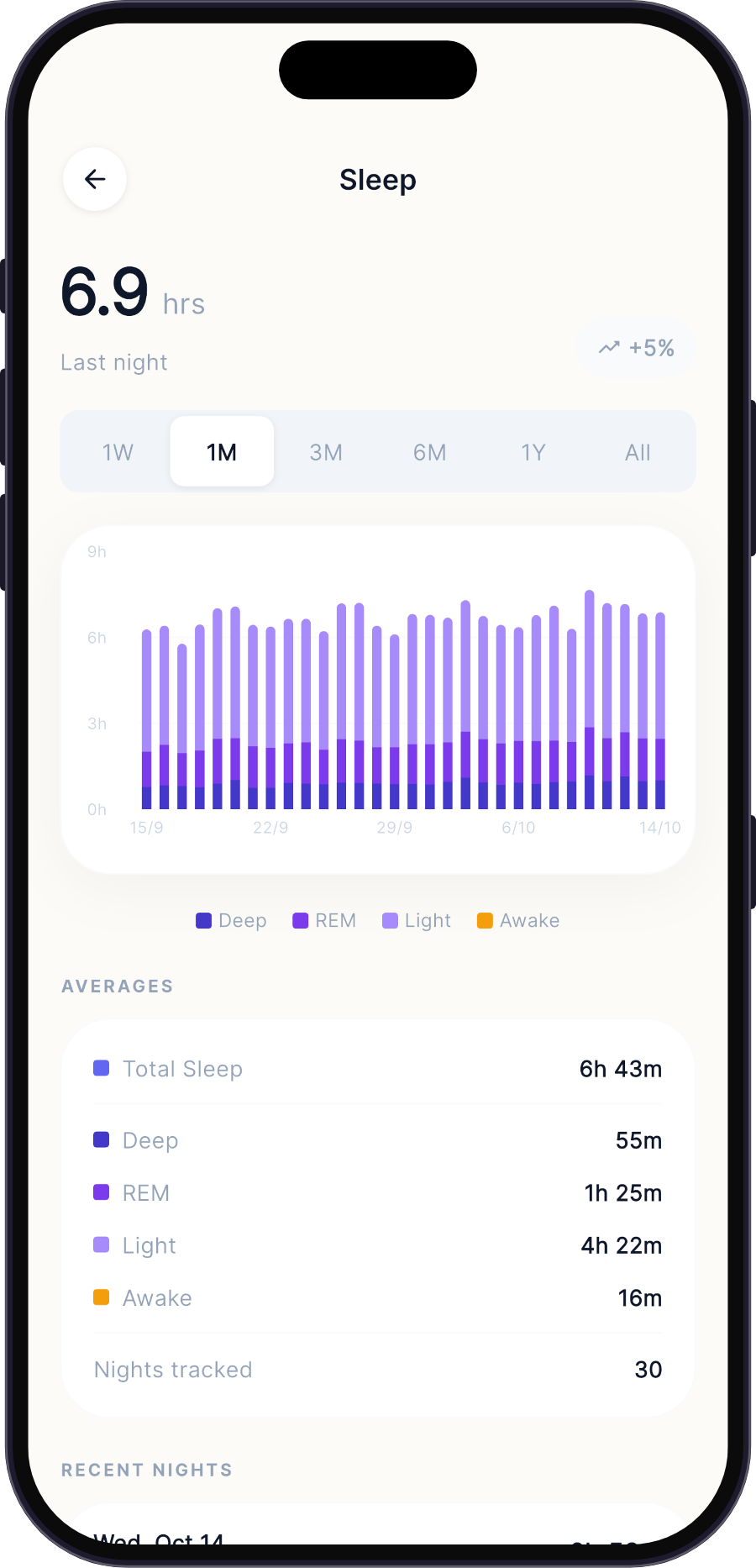
Seven to nine hours per night is the adult range, but multiple awakenings, late caffeine, and irregular bedtime can leave you tired despite the hours.
Source·CDC About Sleep (2024)
Persistent fatigue
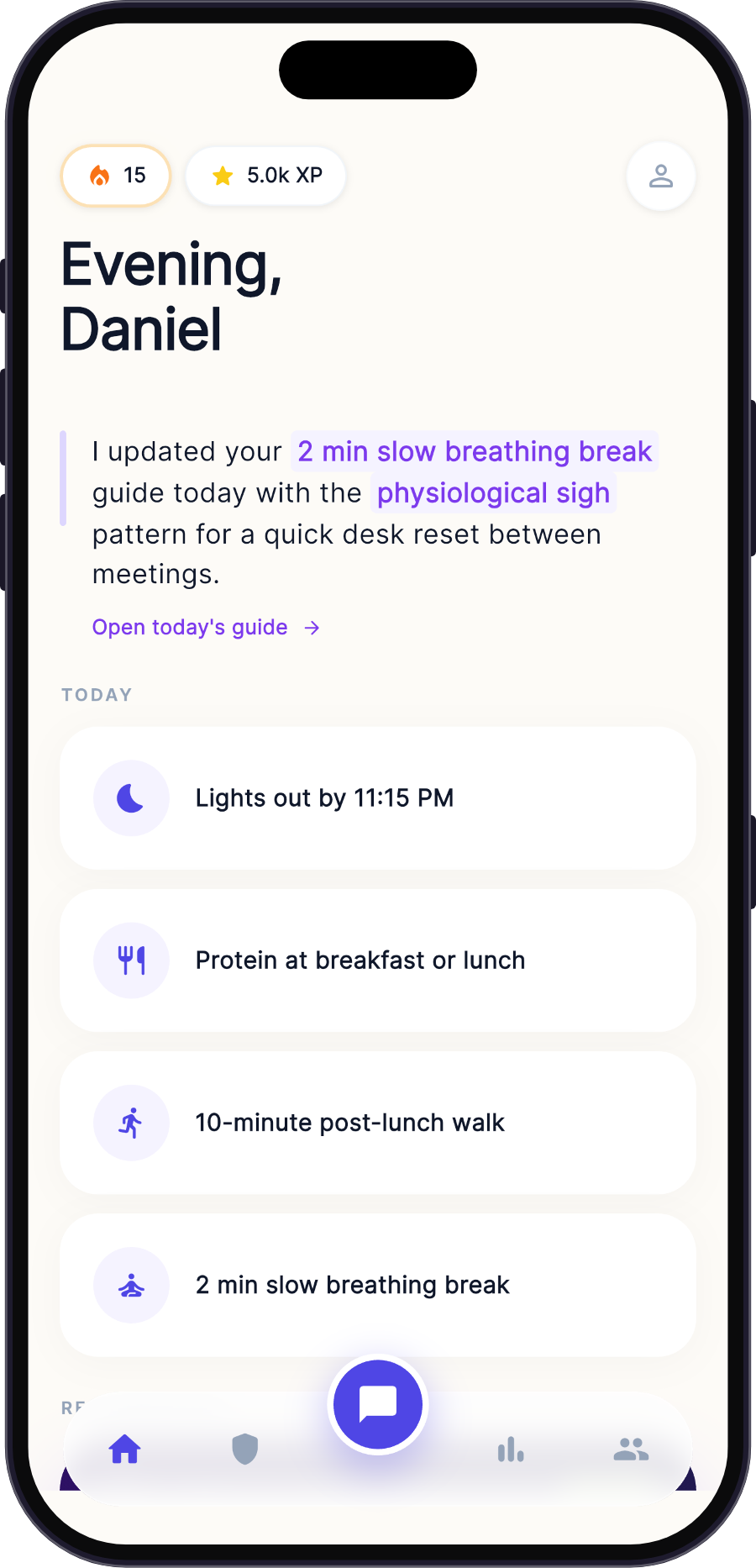
How you sleep, move, eat, and take breaks shapes how you feel through the day. Ingrid helps you build a steadier rhythm, one small habit at a time.
Free to join. GDPR-compliant. Data stored in the EU.
Ingrid
Let us start with your daily rhythm: when you sleep, eat, move, and have your last coffee. A short walk after lunch and a steadier bedtime are simple experiments many people like to start with.
First action
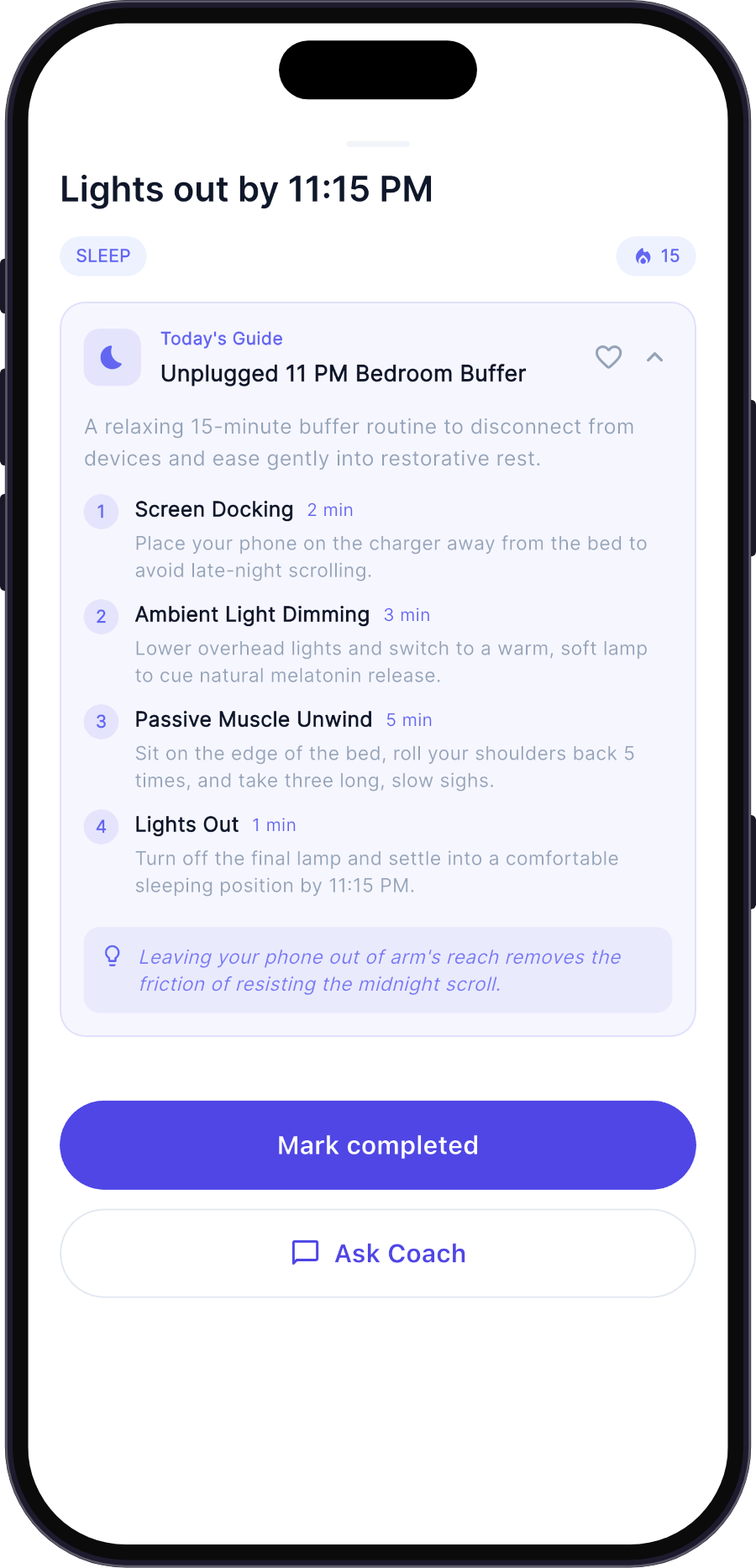
Try a 10-minute walk after lunch this week
A simple experiment: Ingrid adds it to your plan, and you see how your afternoons feel.
Illustrative example only. Ingrid helps you build habits; it does not assess symptoms or look for causes of tiredness.
Possible causes
These are the factors most often behind persistent low energy in otherwise healthy adults.
Seven to nine hours per night is the adult range, but multiple awakenings, late caffeine, and irregular bedtime can leave you tired despite the hours.
Source·CDC About Sleep (2024)
Low ferritin can contribute to fatigue even before iron-deficiency anaemia is obvious, especially in menstruating adults and people with low iron intake.
25(OH)D below 30 ng/mL (75 nmol/L) is widely considered insufficient and is associated with low mood and fatigue. More common in northern climates and during winter months.
Hypothyroidism is a well-established cause of fatigue. TSH alone is the typical first screen, but in some cases additional values (free T4, free T3, antibodies) help complete the picture.
Loud snoring with witnessed breathing pauses, morning headaches, or daytime sleepiness despite adequate hours warrants a clinical assessment. Untreated sleep apnoea is a common, treatable cause of unexplained fatigue.
Sustained psychological load can worsen sleep, concentration, and energy long before people describe themselves as “stressed.”
Source·WHO Stress Q&A (2025)
“Sleep is important, but not important enough to lose sleep over.”
Sleep affects almost every aspect of our mental and physical health. But some people get so anxious about it that bedtime becomes a battleground. When we fixate less on sleep, and find professional help if needed, often it improves.
— Dr. Sujay Kansagra Pediatric sleep specialist at Duke University Medical Center
Quoted from The New York Times. Dr. Sujay Kansagra is not affiliated with Ingrid, and the quote does not imply an endorsement of Ingrid.
How it works
Three practical steps from scattered clues to a targeted next move.
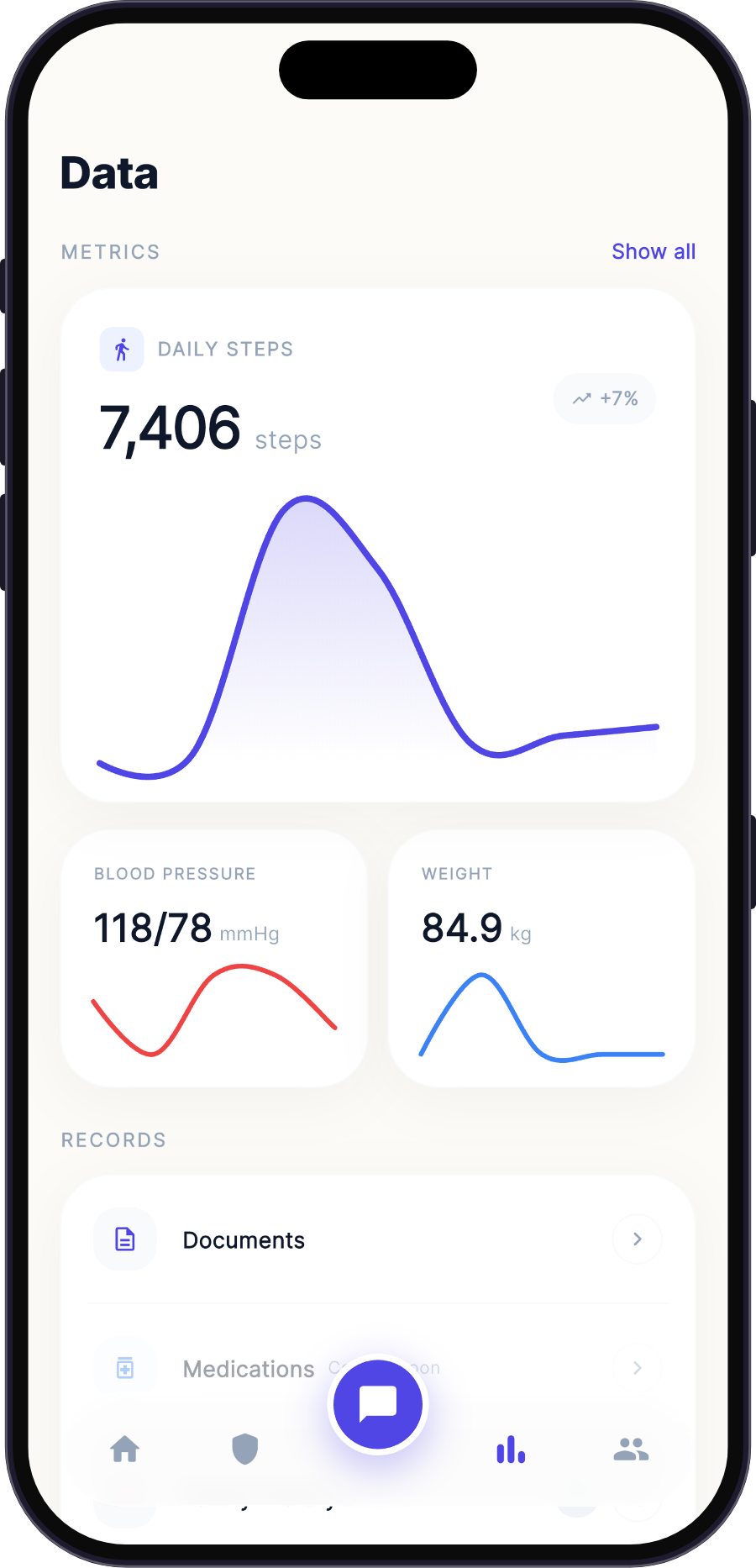
Bring together what shapes your days: sleep, movement, meals, caffeine, and breaks.
Ingrid turns your goals and routine into a few small habits that fit your day.
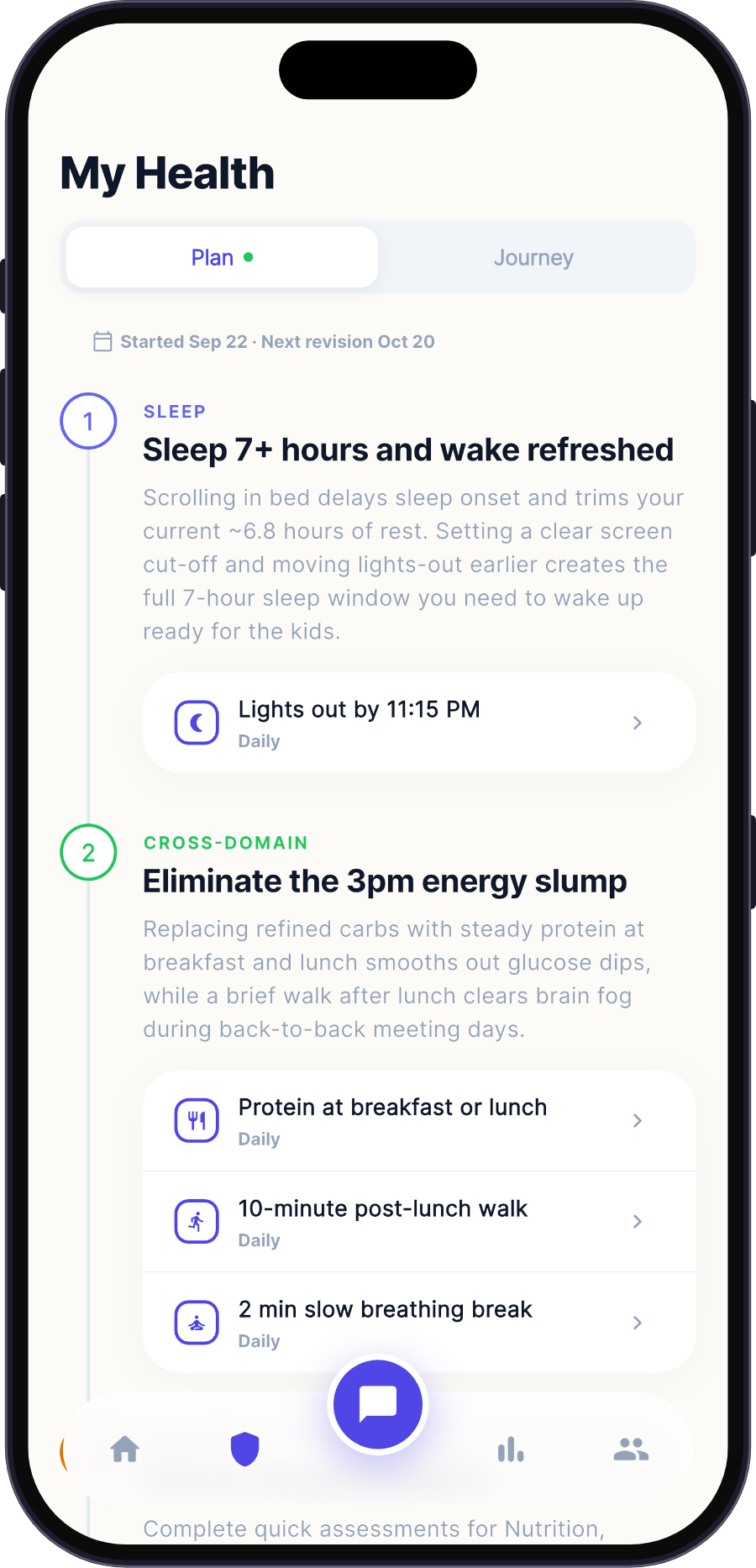
You adjust the plan as you go and, if you want, Ingrid helps you gather your questions and records for a doctor’s appointment.
Free to join the waitlist. We will contact you when the next beta slots open.
We use your email only to contact you about the Ingrid beta. You can ask us to delete it at any time. Privacy policy
Why Ingrid
The goal is not a long list of tips. It is one or two habits you can actually keep, adjusted as you go.
When to see a doctor
Fatigue with unintended weight loss, fever, night sweats, or shortness of breath should not be self-managed. Persistent unexplained fatigue lasting more than a few weeks warrants a clinical assessment.
FAQ
Most apps look at one signal: steps, sleep, or weight. Ingrid keeps wearable data, lab reports, documents, family history, and your self-reported habits together — and builds your plan from your goals, preferences, and everyday routine.
The plan is not written once. At the end of each plan cycle, Ingrid looks at which habits stuck and which did not, and suggests changes you can accept or decline. The plan a month from now will look different from today’s — because it should.
Ingrid is not a replacement for a doctor, and does not pretend to be. It does not diagnose, interpret results, or recommend tests or treatments. For medical questions, Ingrid helps you prepare for your appointment — and if you choose, you can share your data with your own doctor or coach.
Helpful but not required. A short daily check-in is enough to get started.
That differs from person to person. Your own logs show how your habits are changing, and you can adjust the plan at any time.
Yes. Ingrid helps you gather your own questions and the data you recorded — shown as recorded, without interpretation — for your appointment.
Tiredness that lasts or worries you should be checked by a doctor. Ingrid does not assess symptoms, but it can help you prepare your questions for the appointment.
A coach for your everyday habits. Your own doctor for medical questions.
Ready when you are
Start with the goal you care about. Ingrid turns it into small habits that fit your life, then adapts the plan with you over time.
Join the waitlist for early access.
We use your email only to contact you about the Ingrid beta. You can ask us to delete it at any time. Privacy policy