01
Energy balance, over weeks not days
Lasting change comes from a small, repeatable daily energy deficit combined with at least 150 minutes per week of moderate aerobic activity and muscle-strengthening on two or more days.
Weight management
Sustainable weight change comes from everyday habits — food, movement, sleep, and stress. Ingrid helps you work on them together, at a pace you can keep.
Free to join. GDPR-compliant. Data stored in the EU.
Ingrid
That is really common — and it is rarely about willpower. Short nights and stressful weeks can make cravings harder to manage, so let us look at your sleep and daily rhythm alongside what you eat.
First action
Track sleep for seven days before changing calories
A steady sleep routine is an easy first habit — and it can make the rest of the plan easier to stick with.
Illustrative example only. Ingrid helps you build habits; it does not diagnose or assess your health.
Possible reasons
Weight change has more than one input. These are the ones most often missed.
Lasting change comes from a small, repeatable daily energy deficit combined with at least 150 minutes per week of moderate aerobic activity and muscle-strengthening on two or more days.
Short or fragmented sleep is linked to weight gain and can increase hunger, calorie intake, and the likelihood of choosing less healthy foods.
Sustained stress raises cortisol, which is associated with greater abdominal fat storage and stronger cravings for energy-dense foods. Addressing the stress baseline often unlocks weight change that calorie counting alone cannot.
Hypothyroidism and PCOS are established medical contributors to weight gain, and they can change what a realistic plan looks like.
Some antidepressants, beta-blockers, corticosteroids, and antipsychotics are associated with weight gain. Ingrid helps you prepare the topic for a conversation with your prescriber — never stop or change medication on your own.
“Ultraprocessed foods aren’t really food.”
They are designed to taste good. That misses the point of why we eat, which is nutrition.
— Andrew T. Chan Chief of the Clinical and Translational Epidemiology Unit at Massachusetts General Hospital
Quoted from The New York Times. Andrew T. Chan is not affiliated with Ingrid, and the quote does not imply an endorsement of Ingrid.
How it works
A focused path from baseline signals to a plan that fits real life.
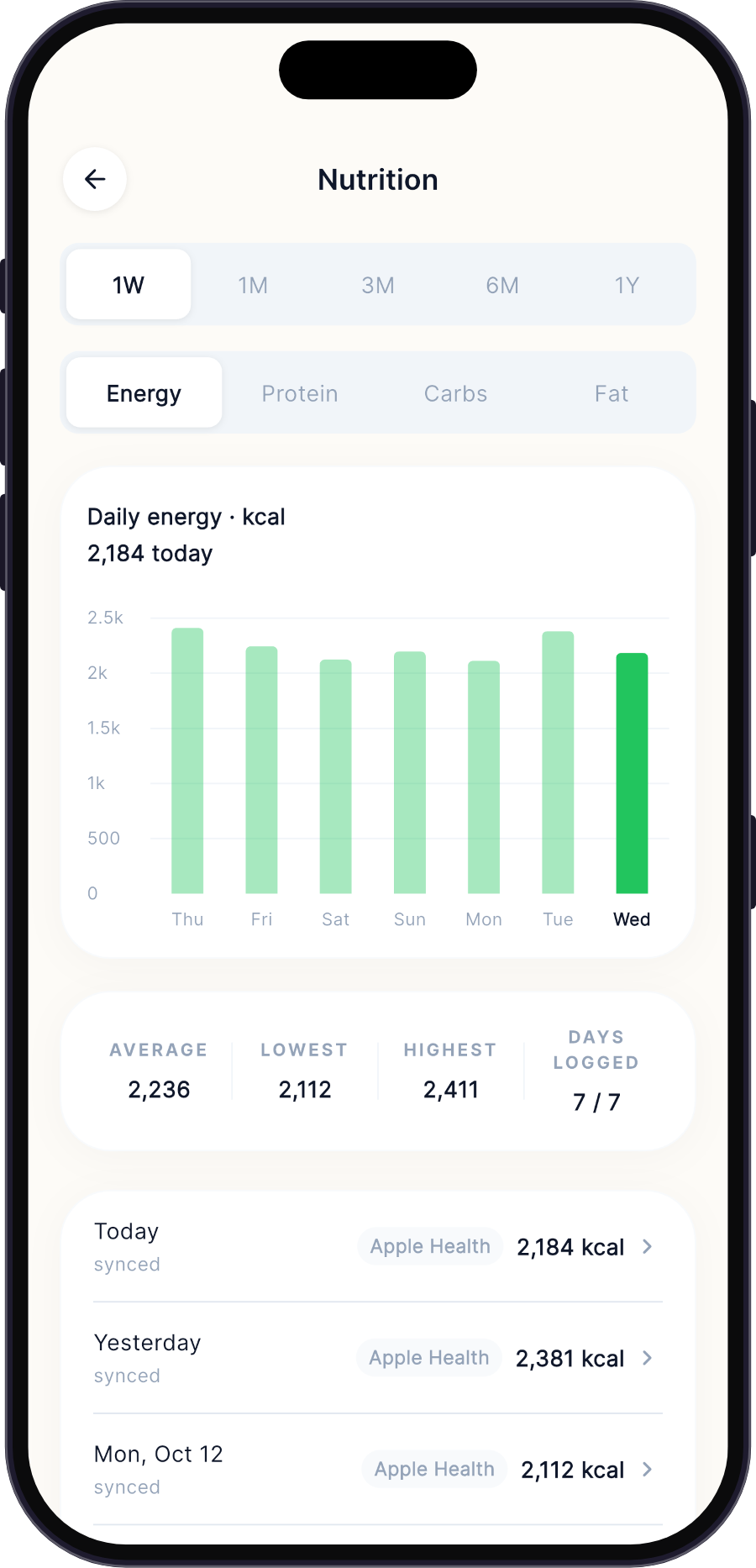
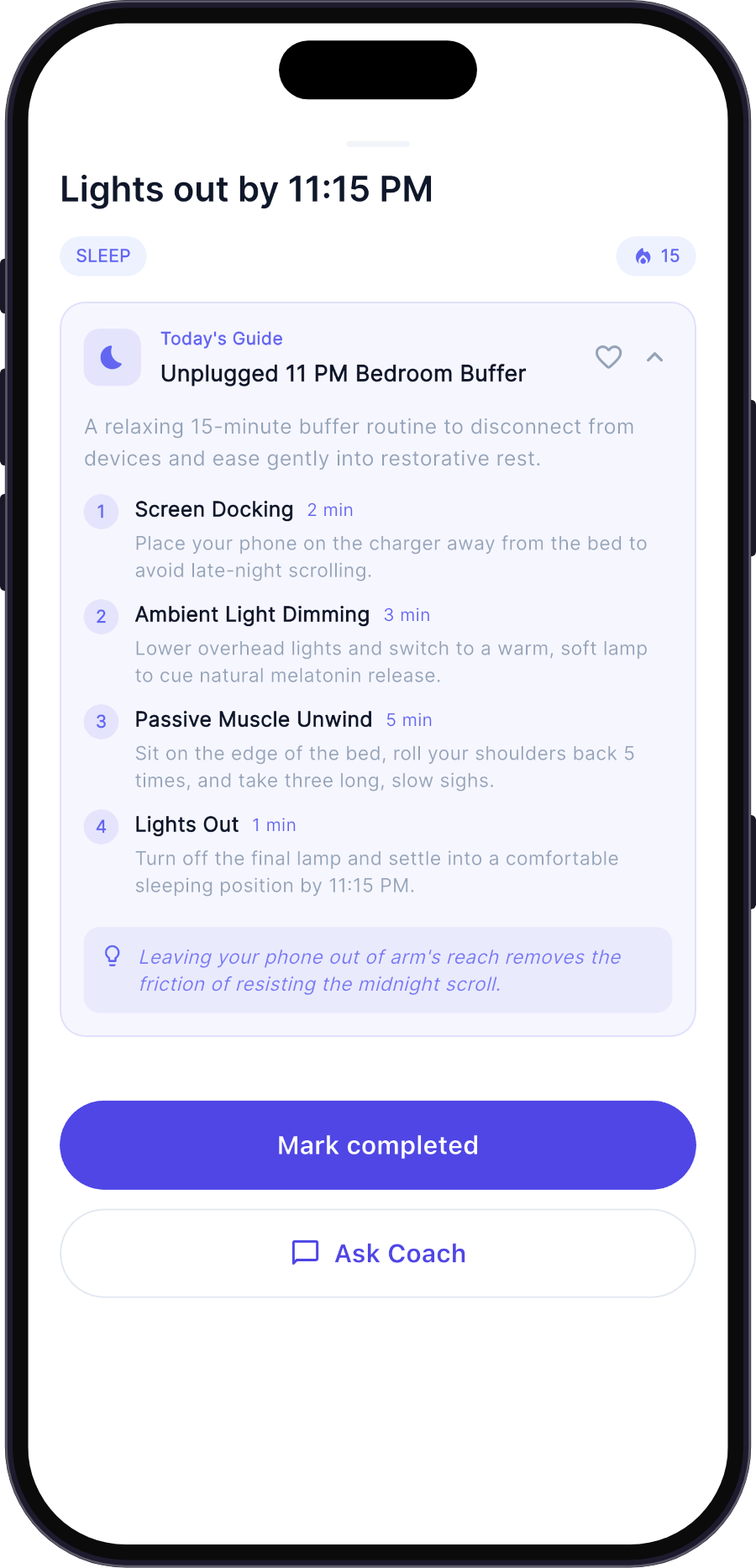
Start with what you already have: steps, sleep, weight trend, and your eating routine.
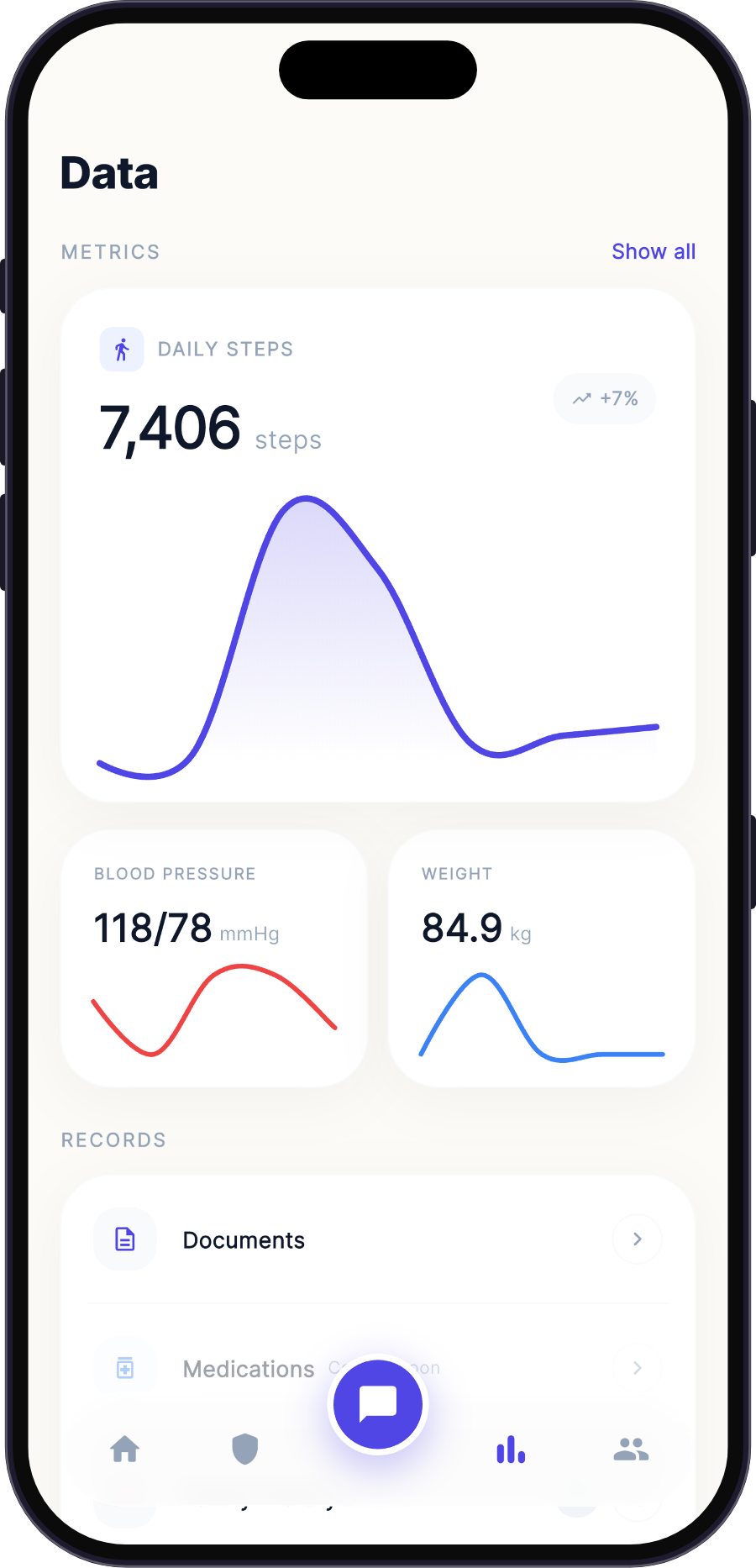
Ingrid turns your goals and routine into a weekly plan of small habits, not generic diet advice.
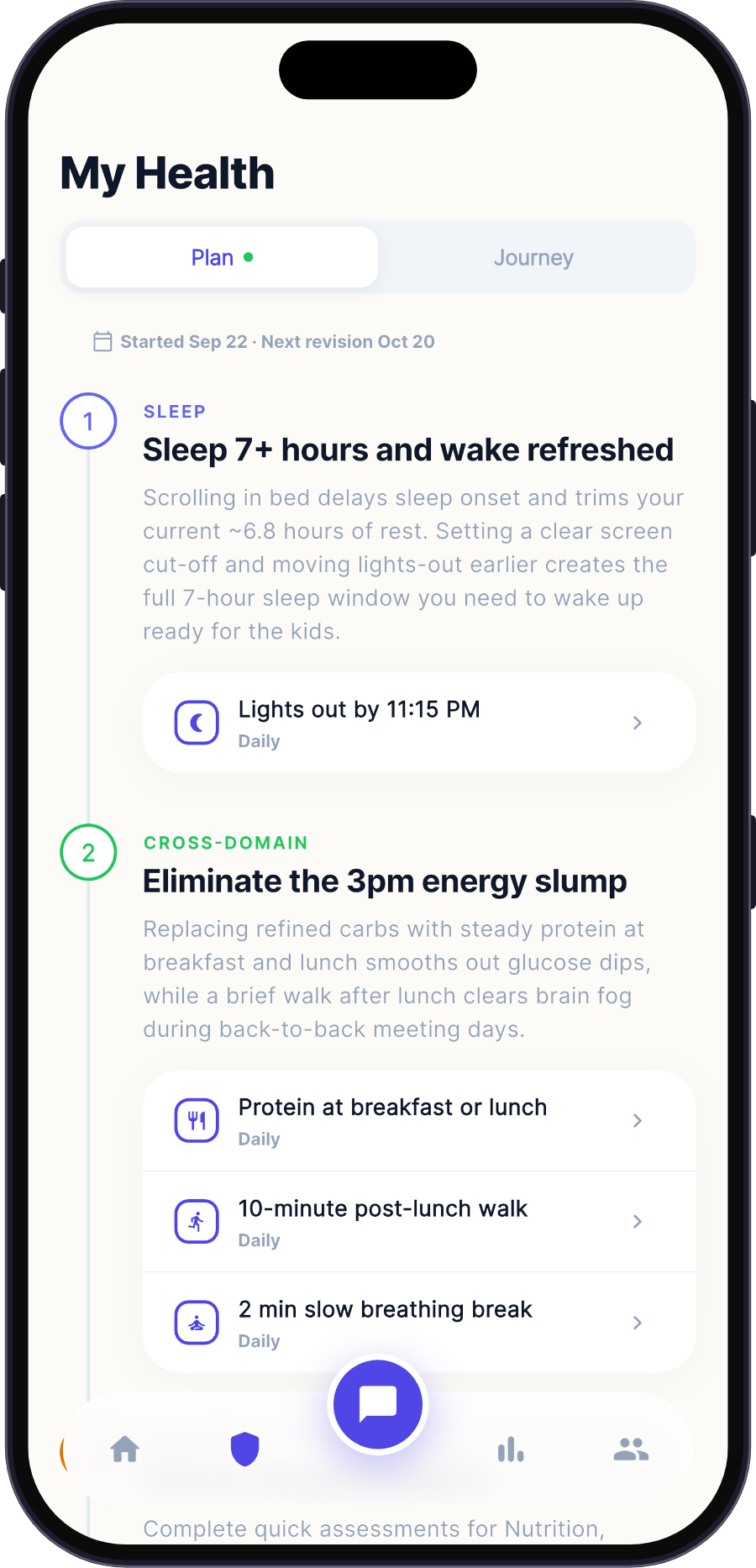
As your habits change, Ingrid updates the plan with you — and reminds you that questions about medicines or medical conditions belong with your doctor.
Free to join the waitlist. We will contact you when the next beta slots open.
We use your email only to contact you about the Ingrid beta. You can ask us to delete it at any time. Privacy policy
Why Ingrid
Most weight-loss tools focus on one lever at a time. Ingrid brings food, movement, sleep, and stress into one plan that fits your week.
When to see a doctor
Unintentional rapid weight loss or gain, suspected thyroid or metabolic conditions, or any history of disordered eating warrants a clinical conversation before any plan.
FAQ
Most apps look at one signal: steps, sleep, or weight. Ingrid keeps wearable data, lab reports, documents, family history, and your self-reported habits together — and builds your plan from your goals, preferences, and everyday routine.
The plan is not written once. At the end of each plan cycle, Ingrid looks at which habits stuck and which did not, and suggests changes you can accept or decline. The plan a month from now will look different from today’s — because it should.
Ingrid is not a replacement for a doctor, and does not pretend to be. It does not diagnose, interpret results, or recommend tests or treatments. For medical questions, Ingrid helps you prepare for your appointment — and if you choose, you can share your data with your own doctor or coach.
Ingrid aims for a steady pace of around 0.3–0.7 kg per week, in line with NIH guidance for healthy adults. Faster loss is possible early on, but slow change is what tends to stick.
Ingrid does not assess medications or interactions. If you take medication, it reminds you to discuss your plan with your prescriber before making changes. Prescription changes are never made in-app.
Only if you want to. Many users do well with habit checklists and photo-based estimates. The right approach is the one you can repeat.
Most people who have "tried everything" have mainly changed food or exercise. Ingrid also works on sleep, stress, and daily rhythm — habits many diet apps leave out.
A coach for your everyday habits. Your own doctor for medical questions.
Ready when you are
Start with the goal you care about. Ingrid turns it into small habits that fit your life, then adapts the plan with you over time.
Join the waitlist for early access.
We use your email only to contact you about the Ingrid beta. You can ask us to delete it at any time. Privacy policy